

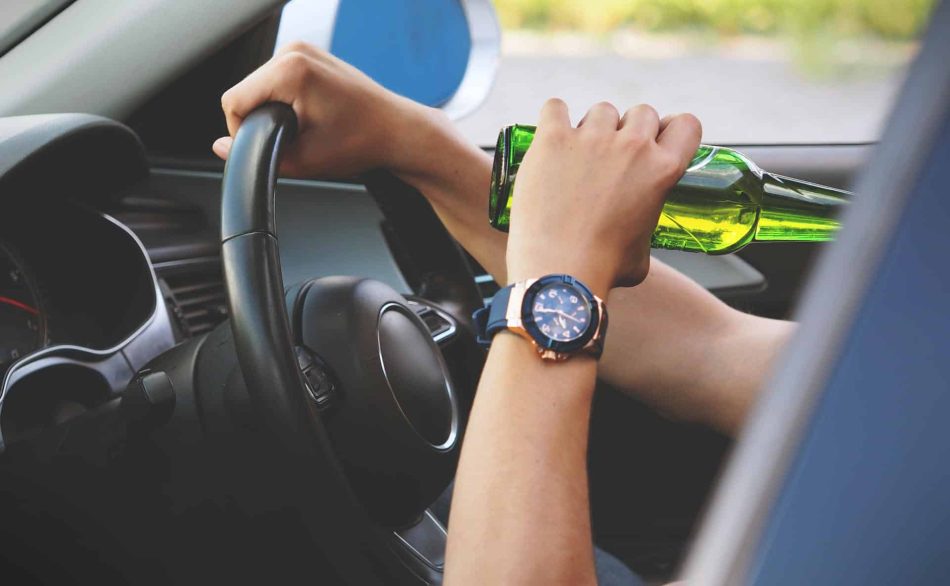
Drink driving laws in New South Wales have become increasingly strict, with harsher penalties designed to reduce road trauma and improve safety for everyone. For everyday drivers, these changes highlight the importance of understanding Blood Alcohol Concentration (BAC), how long alcohol stays in the system, and the real-world consequences of getting it wrong.
Many people underestimate how alcohol affects them, especially the morning after drinking. Tools like personal breathalysers can help drivers build awareness around their alcohol levels and make more informed decisions before getting behind the wheel. Understanding the law, combined with personal responsibility, is key to staying safe and compliant.
This guide explains the latest NSW drink driving penalties, how offences are classified, and why awareness matters more than ever.
Key Takeaways
- NSW drink driving laws now include tougher penalties and immediate licence suspensions to reduce impaired driving.
- BAC limits vary by licence type, with zero tolerance applying to learner provisional and some professional drivers.
- Alcohol can remain in your system the morning after drinking, making the next day driving a common risk.
- Personal breathalysers can help improve awareness and support safer decisions, but time is the only way to lower BAC.
What Has Changed in NSW Drink Driving Laws?
NSW has introduced tougher drink and drug driving penalties to address ongoing road safety concerns. These changes place greater emphasis on immediate consequences, including on-the-spot licence suspensions and stronger enforcement.
Under current NSW legislation, police now have expanded powers to issue immediate licence suspensions for certain alcohol and drug offences. This means drivers can lose their licence on the spot, even before their matter goes to court.
The goal of these changes is clear: reduce impaired driving by making the consequences immediate and unavoidable, rather than delayed or uncertain.

Understanding BAC Limits in NSW
Blood Alcohol Concentration, or BAC, measures the amount of alcohol present in your bloodstream. NSW sets different legal limits depending on licence type and offence category.
For many drivers, the legal limit is not as simple as staying “under 0.05”. Certain licence holders are required to maintain a zero BAC at all times.
NSW BAC limits include:
- 0.00 BAC for learner drivers, provisional P1 and P2 drivers, and certain professional drivers
- Below 0.05 BAC for unrestricted licence holders
- Any detectable alcohol for drivers subject to zero-range requirements
These limits apply regardless of how confident or capable a driver feels. Even small amounts of alcohol can result in serious penalties.
Drink Driving Offence Categories Explained
NSW classifies drink driving offences based on BAC level at the time of testing. These categories determine the severity of penalties imposed.
The main drink driving offence ranges include:
- Low-range PCA: BAC from 0.05 to under 0.08
- Mid-range PCA: BAC from 0.08 to under 0.15
- High-range PCA: BAC of 0.15 or higher
- Special range PCA: Any alcohol detected in drivers required to have a zero BAC
As BAC increases, so do the penalties, including longer licence disqualifications, higher fines, and potential court appearances.
What Penalties Can Drivers Now Face?
The consequences of drink driving in NSW are significant and can affect many aspects of daily life. Penalties vary depending on offence type, BAC range, and whether the offence is a first or repeat occurrence.
Current penalties can include:
- Immediate licence suspension issued by police
- Licence disqualification periods imposed by courts
- Fines that increase with offence severity
- Demerit points applied to driving records
- Mandatory participation in interlock programs for certain offences
According to the NSW Government’s official guidance on drink and drug driving penalties, high-range and repeat offences carry particularly severe consequences, including lengthy licence disqualifications and substantial fines.
How NSW Police Enforce Drink Driving Laws
NSW Police play a central role in enforcing drink driving laws through widespread roadside testing. Random Breath Testing (RBT) is a key enforcement strategy, designed to detect alcohol impairment at any time of day.
Police may require drivers to submit to a roadside breath test, followed by a breath analysis if alcohol is detected. For certain offences, police can issue an immediate licence suspension without waiting for a court outcome.
This approach reinforces the message that drink driving is not just a legal issue, but a public safety priority.
The “Morning After” Risk Many Drivers Overlook
One of the most common causes of unintentional drink driving offences is next-day driving. Many drivers assume that sleeping overnight is enough for alcohol to leave their system.
In reality, alcohol is metabolised at a steady rate, and BAC can remain elevated well into the next day. Factors such as drinking late, consuming multiple standard drinks, poor sleep, and dehydration can all contribute to lingering alcohol levels.
Drivers who want a better understanding of how alcohol affects them personally may choose to estimate or calculate your BAC rather than relying on guesswork or assumptions.
Common Myths About Drink Driving and Sobering Up
There are many persistent myths about ways to speed up alcohol elimination. While some habits may improve comfort, they do not reduce BAC.
Common misconceptions include:
- Drinking coffee to “sober up”
- Exercising or taking a cold shower
- Sleeping longer to remove alcohol faster
Only time allows the liver to process alcohol. No shortcut or home remedy can change this.
Using Personal Breathalysers for Awareness
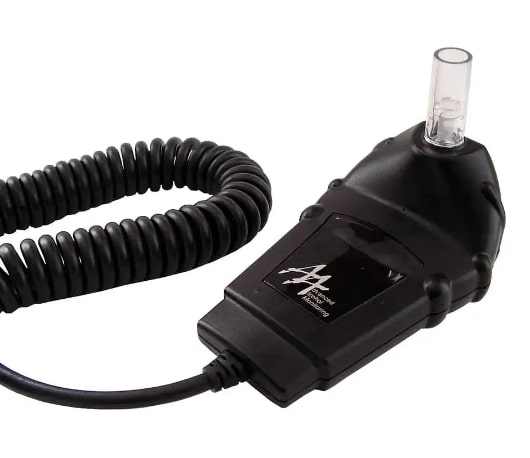
Personal breathalysers are increasingly used as awareness tools to help individuals understand their alcohol levels before driving. While they are not legal devices, they can provide useful insight into whether alcohol may still be present in the system.
Understanding how personal devices compare to law enforcement tools is important. Resources such as Breatho vs police help explain the differences between personal breathalysers and police-grade equipment.
Used responsibly, personal breathalysers can support better decision-making and reduce reliance on assumptions about sobriety.
Making Safer Choices Around Alcohol and Driving
Avoiding drink driving often comes down to planning ahead and allowing enough recovery time. Small decisions can make a significant difference.
Helpful strategies include:
- Planning transport before drinking
- Allowing a full day of recovery after heavy drinking
- Avoiding next-morning driving when unsure
- Using awareness tools responsibly
These choices support not only legal compliance but also personal wellbeing and road safety.
Staying Informed to Protect Yourself and Others
The introduction of harsher drink driving penalties in NSW reflects a broader effort to improve road safety and reduce alcohol-related harm. For drivers, staying informed is one of the most effective ways to avoid unintended offences.
Understanding BAC, recognising next-day risk, and being aware of current laws helps drivers make better choices. Tools like personal breathalysers can support this awareness by providing insight into alcohol levels, especially when judgement may be impaired.
Ultimately, responsible decisions protect not only your licence, but also your safety and the safety of others on the road.
Most information in this post was taken from the Transport for NSW website