

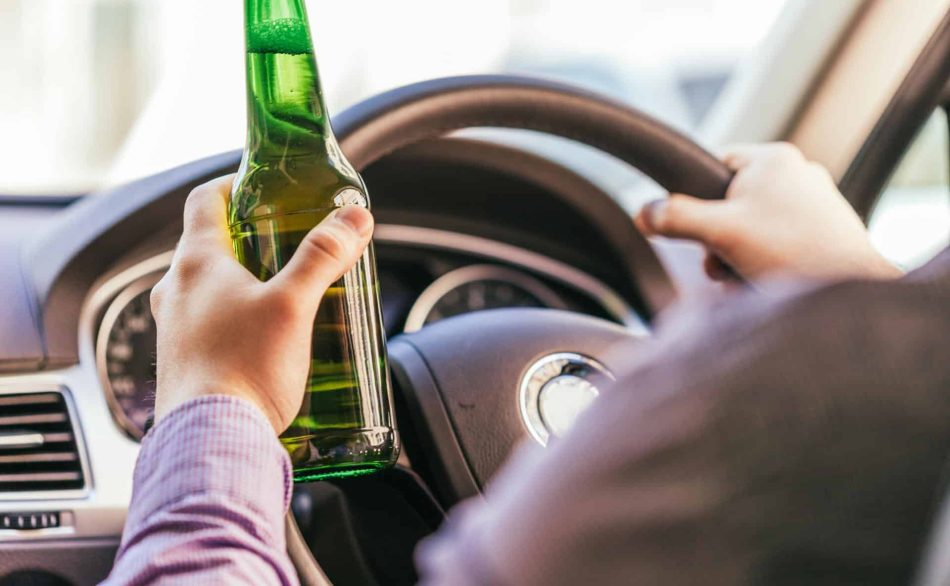
Breathalysers have become an important tool for alcohol awareness and road safety. Police use them during roadside testing to detect alcohol in drivers, while individuals increasingly rely on personal breathalysers to check their blood alcohol concentration (BAC) before deciding whether it is safe to drive. While these devices serve different purposes, they are based on similar alcohol detection technology. Understanding how police breathalysers compare to personal devices can help drivers make more informed decisions about responsible drinking and road safety.
In this guide, we will explain how breathalysers work, how police devices differ from personal models, and why accurate BAC measurement is essential for safer driving decisions.
Key Takeaways
- Breathalysers measure alcohol in breath to estimate blood alcohol concentration and support safer driving decisions.
- Police breathalysers are built for legal roadside testing while personal devices are designed for everyday alcohol awareness.
- Many modern personal breathalysers use fuel cell sensors which provide reliable BAC readings when properly calibrated.
- Personal breathalysers help drivers check alcohol levels before driving and make more responsible decisions.
How Breathalysers Measure Alcohol
A breathalyser is a device designed to measure the amount of alcohol in a person’s breath. This measurement is used to estimate blood alcohol concentration, commonly referred to as BAC.
BAC represents the amount of alcohol present in the bloodstream. As alcohol is absorbed into the body, it travels through the bloodstream and reaches the lungs. When a person exhales, small traces of alcohol are present in the breath, which breathalyser devices can detect.
What Is Blood Alcohol Concentration (BAC)?
Blood alcohol concentration is the standard measurement used to determine how alcohol affects a person’s body. BAC levels are typically expressed as a percentage.
As BAC increases, alcohol begins to impair physical and cognitive functions. Even relatively small amounts of alcohol can influence reaction time, coordination, and decision-making ability.
BAC is affected by several factors, including:
- Number of standard drinks consumed
- Body weight and metabolism
- Time since drinking began
- Food intake
Because these factors vary widely between individuals, estimating BAC based on how someone feels is unreliable. Breathalysers provide a more objective way to measure alcohol levels.
How Breathalysers Detect Alcohol
Breathalysers detect alcohol by analysing a breath sample. When a user exhales into the device, the breath passes through a sensor that identifies alcohol molecules.
Many professional and high-quality personal breathalysers use fuel cell sensor technology. Fuel cell sensors are widely regarded as one of the most reliable methods for measuring alcohol levels in breath.
These sensors work by triggering a chemical reaction when alcohol molecules come into contact with the sensor surface. The reaction generates an electrical signal that is converted into a BAC reading displayed on the device.
This process typically takes only a few seconds, allowing users to quickly check their alcohol level.
What Breathalyser Devices Do Police Use?
Police use breathalysers primarily for roadside alcohol screening. These devices help law enforcement officers quickly determine whether a driver may be over the legal alcohol limit.
During roadside testing, a driver is asked to blow into a breathalyser device. If alcohol is detected above a certain threshold, the driver may be required to undergo further testing using more advanced evidential equipment.
Police breathalysers are designed to meet strict regulatory standards. They must provide consistent and accurate readings, as the results may be used during legal proceedings.
Professional law enforcement breathalysers typically feature:
- Highly sensitive fuel cell sensors
- Strict calibration and maintenance procedures
- Regular testing to ensure measurement accuracy
- Compliance with law enforcement certification standards
These devices are specifically designed for official enforcement purposes. Their accuracy and reliability are critical because the results may influence legal outcomes.
How Breatho Breathalysers Compare
Personal breathalysers are designed for everyday alcohol awareness rather than law enforcement. However, many modern personal breathalysers use the same core sensor technology found in professional devices.
Breatho breathalysers, for example, utilise fuel cell sensors to detect alcohol in breath samples. This technology allows for reliable BAC readings while keeping the device portable and easy to use.
Unlike police equipment, personal breathalysers are not used for legal enforcement. Instead, they are designed to help individuals understand their alcohol levels before making decisions such as driving.
The main advantages of personal breathalysers include:
- Portable and easy to carry
- Quick BAC readings within seconds
- Simple operation for everyday users
- Alcohol awareness before driving
These devices provide drivers with a clearer understanding of their alcohol levels. Rather than relying on guesswork, users can check their BAC and make safer decisions.
Drivers who are considering purchasing one often look for guidance on selecting the right device. This guide explaining how to choose personal breathalyser models can help identify important features such as sensor type, calibration requirements, and accuracy.
Key Differences Between Police and Personal Breathalysers
Although both devices measure breath alcohol concentration, police breathalysers and personal breathalysers are designed for different purposes.
Police breathalysers are part of official roadside testing procedures and must meet strict evidential standards. Personal breathalysers are intended to help individuals monitor alcohol consumption and make informed choices before driving.
Some of the main differences include:
- Purpose – Police devices are used for enforcement, while personal breathalysers are designed for individual awareness.
- Certification standards – Law enforcement breathalysers must comply with legal evidential standards.
- Testing environment – Police devices are used in controlled procedures during roadside testing.
- Portability – Personal breathalysers are designed to be compact and convenient for everyday use.
Despite these differences, both types of devices rely on similar principles of alcohol detection.
The key takeaway is that personal breathalysers are intended to help users check their BAC before driving. They provide an extra layer of awareness that can support responsible decisions.
Why Breathalyser Accuracy Matters
Accuracy is one of the most important factors when using a breathalyser. Reliable BAC readings help users understand their alcohol levels and make safer decisions about driving.
Modern personal breathalysers using fuel cell sensors are capable of producing highly consistent results when properly calibrated and maintained.
However, like any measurement device, breathalysers require periodic calibration to ensure continued accuracy. Over time, sensors can drift slightly, which may affect readings if the device is not maintained.
Several factors influence breathalyser accuracy:
- Sensor technology used in the device
- Calibration schedule
- Proper testing procedure
- Environmental conditions
Manufacturers often conduct independent evaluations to verify device performance. These tests demonstrate how closely a breathalyser reading aligns with reference measurements.
For example, independent breathalyser accuracy test results provide insight into how professional-grade personal breathalysers perform under controlled conditions.
Ensuring your device is calibrated and used correctly helps maintain reliable BAC readings.
When a Personal Breathalyser Is Most Useful
Personal breathalysers can be useful in many everyday situations where alcohol consumption may occur. They allow individuals to check their BAC and avoid making decisions based solely on how they feel.
Common scenarios where personal breathalysers are helpful include:
- After social events or gatherings where alcohol is consumed
- Before deciding whether it is safe to drive home
- The morning after drinking to check if alcohol remains in the system
- Workplace alcohol awareness programs
Many people underestimate how long alcohol can remain in the body. Even after a night’s sleep, BAC levels may still be elevated depending on how much alcohol was consumed.
A personal breathalyser can provide a quick and convenient way to check alcohol levels and reduce uncertainty.
By offering a simple way to monitor BAC, these devices support responsible drinking behaviour.
Supporting Responsible Drinking Decisions
Responsible alcohol consumption involves understanding how alcohol affects the body and recognising when it may not be safe to drive.
Breathalysers provide a practical way to remove guesswork from the equation. Instead of relying on assumptions, individuals can measure their breath alcohol concentration and make informed decisions.
While police breathalysers play a critical role in roadside enforcement, personal devices offer everyday alcohol awareness for drivers who want to prioritise safety.
Portable personal breathalysers allow individuals to check their BAC quickly and easily, helping them determine whether they should drive or consider alternative transport options.
By combining accurate alcohol testing technology with responsible decision-making, breathalysers contribute to safer roads and more informed drivers.